Appliance Energy Calculator
This appliance energy usage calculator shows exactly what each appliance costs to run. Pick one, set your hours and your local electricity rate, and get a real-money number — daily, monthly, yearly. 30+ pre-loaded wattages, so it works even if you don't know your model's specs.
28.9
kWh/day, US household
$0.16
Avg US electricity rate
$1,700
Yearly home electric bill
What Does It Cost to Run an Appliance?
Divide the wattage by 1,000, multiply by the hours you run it, then multiply by your price per kWh. A 1,500 W space heater on for 8 hours uses 12 kWh a day — $1.92 a day, or $57.60 over a 30-day month at the US average of $0.16/kWh. Every number on this site is that same sum with different values in it. Four of the most-asked-about appliances, at the US average rate:
Refrigerator
$7.33/mo
550 kWh/yr, always on
Electric dryer
$7.80/mo
2.25 kWh/load, 5/week
Washing machine
$5.89/mo
1.7 kWh warm load, 5/week
Space heater
$57.60/mo
1,500 W, 8 h/day
Your rate is the other half of the answer, and it is not a small half: $0.10/kWh in Idaho against $0.39 in Hawaii is 3.8 times the bill for the identical appliance. The regional table below prices these four where you live; pick any appliance to open a calculator you can type your own rate into.
Step 1 · Pick an appliance
Pre-loaded wattages, ready to calculate
All wattages reflect typical real-world draw — adjust on the next screen to match your model.
Heating & Cooling
Kitchen
Electronics
Outdoor
What Does It Cost to Run Appliances in Your State?
The kilowatt-hours are the same in every row — a refrigerator in Arkansas uses exactly what one in Connecticut uses. The only thing changing down these columns is the price of a kilowatt-hour, which is why these four appliances come to $60 in a winter month across West South Central and $128 in New England — 2.1times the money for identical electricity. States are grouped into the nine US Census divisions, and each division's rate is the plain average of its member states.
| Region | Avg rate | Cheapest → priciest state | Refrigerator46 kWh/mo | Electric dryer49 kWh/mo | Washing machine37 kWh/mo | Space heater360 kWh/mo |
|---|---|---|---|---|---|---|
| West South CentralTexas is the big grid here; Arkansas, Louisiana and Oklahoma are cheaper still. | $0.123 | AR $0.115 → TX $0.140 | $5.62 | $5.97 | $4.51 | $44.11 |
| East South CentralKentucky and Tennessee anchor the cheap end of the map. | $0.125 | KY $0.116 → AL $0.139 | $5.72 | $6.09 | $4.60 | $44.94 |
| MountainIdaho and Utah have the cheapest power in the country; Colorado the priciest in the division. | $0.126 | ID $0.101 → CO $0.147 | $5.77 | $6.14 | $4.64 | $45.31 |
| West North CentralPlains and Upper Midwest — every state here is under the national average. | $0.132 | ND $0.117 → MN $0.143 | $6.03 | $6.42 | $4.85 | $47.39 |
| South AtlanticNine jurisdictions from Florida to Delaware, all of them below the national average. | $0.138 | NC $0.121 → MD $0.156 | $6.32 | $6.72 | $5.08 | $49.63 |
| East North CentralThe Great Lakes states, clustered a few cents either side of $0.15. | $0.155 | IN $0.140 → MI $0.178 | $7.13 | $7.58 | $5.73 | $55.97 |
| Middle AtlanticNew York prices near $0.22 while Pennsylvania sits close to the middle of the country. | $0.188 | PA $0.165 → NY $0.221 | $8.64 | $9.19 | $6.94 | $67.85 |
| PacificThe widest spread of any division — Washington hydro at one end, Hawaii's oil-fired island grid at the other. | $0.229 | WA $0.114 → HI $0.388 | $10.51 | $11.18 | $8.45 | $82.58 |
| New EnglandSix states, not one of them priced below the national average. | $0.260 | VT $0.213 → CT $0.293 | $11.90 | $12.66 | $9.57 | $93.49 |
| United States averageWhat the calculator opens on until you pick your state. | $0.160 | ID $0.101 → HI $0.388 | $7.33 | $7.80 | $5.89 | $57.60 |
Monthly figures assume a 18-21 cu ft fridge at 550 kWh a year, 5 laundry loads a week through a 2.25 kWh dryer cycle and a 1.7 kWh warm wash, and a 1,500 W space heater for 8hours a day — a winter month, not a year-round one. Division rates are unweighted means of the member states, so they describe what states charge rather than what households pay. Your own state's rate is on electricity rates by state.
The heater column is the one that moves your bill
At 360 kWh a month it is 8 times the refrigerator, so every cent of rate difference lands on it hardest — $44 a month in West South Central against $93 in New England. Cost to run a space heater prices it by hours per day as well as by rate.
The refrigerator is the floor under every bill
It is the one appliance nobody switches off, and its 550 kWh a year is the same in July and January. That makes it the cleanest read on what your rate costs you: $5.62 a month in West South Central, $11.90 in New England. Cost to run a refrigerator breaks it down by fridge type and age.
The dryer costs more than the washer, whatever your rate
Evaporating the water out of a load takes more energy than washing it in: 2.25 kWh a cycle on a standard vented electric dryer. A heat pump dryer does the same load on 1.17 kWh, about 48% less, which is the only change that moves this column much. Cost to run a dryer compares all five dryer types per load.
Most of the washing machine column is the water heater
The motor uses 0.4 kWh a load. A warm wash is 1.7 kWh because heating the water adds the rest — 76% of the total. Washing cold drops this column to $1.39 a month at the US average. Cost to run a washing machine works through cold, warm and hot.
Every plug, every watt, every dollar
From the smart meter on the wall to the kitchen on the counter
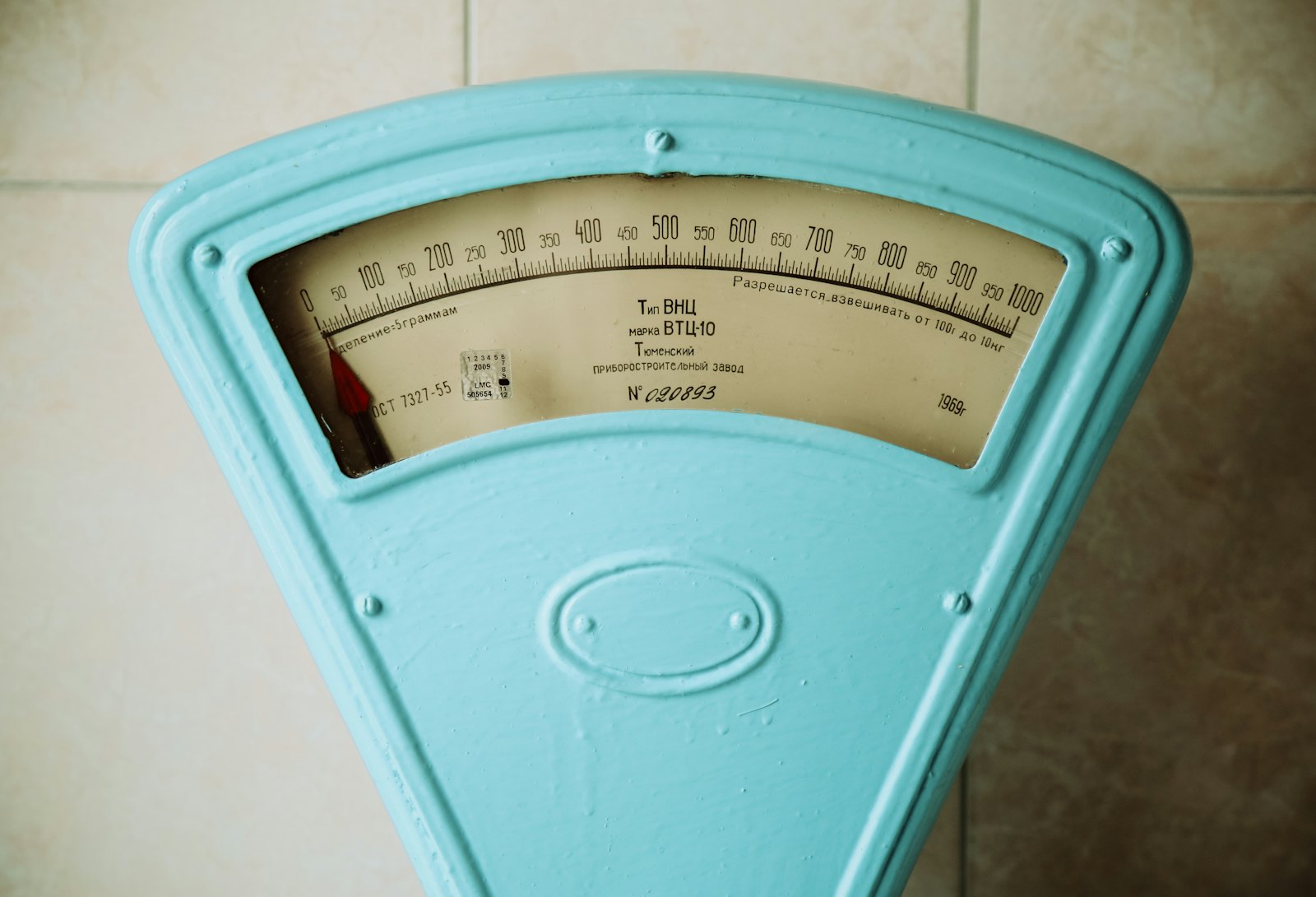
60W → 9W
Swap incandescent for LED, save ~$8/bulb/year

Always-on loads
Quiet 24/7 draw adds up to ~15% of a US bill
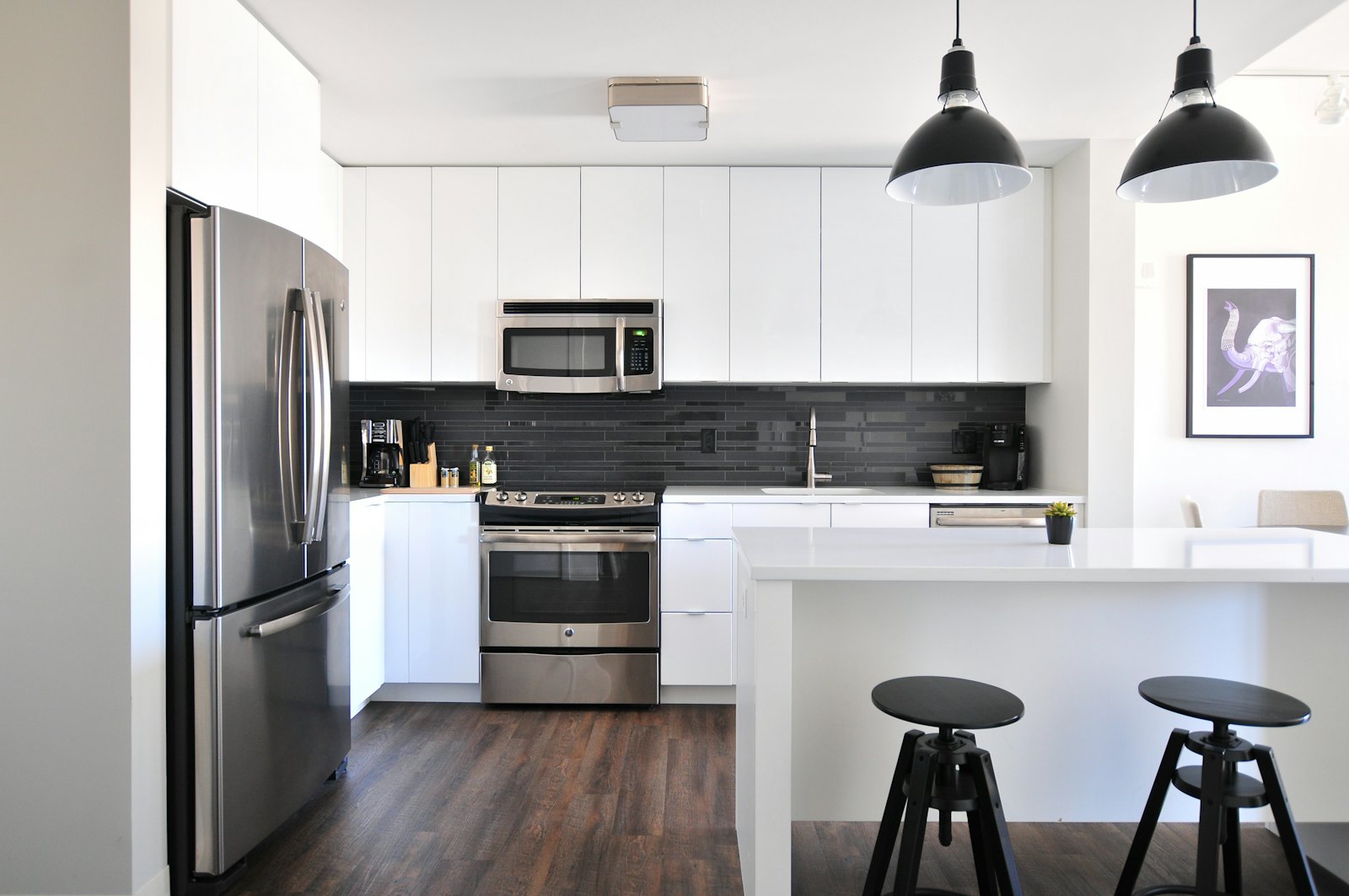
~13% of home use
Kitchen appliances — fridge leads the pack
How to Use the Appliance Cost Calculator
Step 1: Pick Your Appliance
Select from over 30 pre-loaded appliances — from refrigerators and washing machines to space heaters and gaming consoles. Each entry includes a typical wattage based on manufacturer specs and real-world usage data. If your appliance isn't listed, you can enter a custom wattage manually using the number on your appliance's label.
Step 2: Enter Your Usage Hours
Tell the calculator how many hours per day you typically run the appliance. For something like a refrigerator that runs continuously, enter 24 hours. For a microwave you use twice a day for 5 minutes, enter 0.17 hours (10 minutes total). The more accurate your hours, the more precise your cost estimate.
Step 3: Set Your Electricity Rate
The default is the U.S. average of $0.16 per kWh, but your actual rate may differ. Find your rate on your electricity bill under "price per kWh" or "energy charge." Rates typically range from $0.10 in low-cost states to $0.30+ in Hawaii and the Northeast.
Step 4: Review Your Costs
The calculator instantly shows your estimated daily, monthly, and yearly electricity cost for that appliance. Use these numbers to spot the biggest energy consumers in your home, compare appliances before buying, or calculate whether an upgrade to a more efficient model makes financial sense.
Guides & Resources
Most Efficient Appliances
Complete ranking of all appliances by annual operating cost
Electricity Rates by State
Compare average residential rates across all 50 states
How to Save on Energy Bills
Practical tips organized by room with estimated savings
Energy Star Guide
Understand ratings, savings, and ROI on efficient upgrades
Solar Savings Calculator
Estimate how solar panels affect your appliance costs
Cost to Run a Space Heater
The kWh math plus monthly cost tables for a 1500W heater
Cost to Run a Dryer
Per-load cost for a 3,000W vented electric vs heat pump dryer
Cost to Run a Window AC
Hourly and monthly cost tables by BTU size and rate
Cost to Run Central AC
Hourly to seasonal cost tables by tonnage and SEER rating
Cost to Run an Electric Water Heater
Daily kWh by household size plus heat pump vs standard tank cost
Cost to Run a Dishwasher
Per-cycle cost by type and rate, plus how to skip heated dry
Cost to Run a Pool Pump
Single-speed vs variable-speed pump cost across runtimes
Cost to Run a Refrigerator
Annual kWh and cost by fridge type, age, and electricity rate
Cost to Run a Washing Machine
Per-load cost by wash temperature, rate, and machine type
Cost to Run an Air Fryer
Per-use, monthly, and yearly cost by wattage, plus oven savings
Cost to Run a Toaster Oven
Monthly and yearly cost by wattage, plus toaster oven vs. full oven
Cost to Run a Hair Dryer
Cost per dry, monthly and yearly — plus 1200W vs 1800W
Cost to Run a TV
Daily and monthly cost by size (43"-85") and type (LED, QLED, OLED)
Cost to Run a Chest Freezer
Annual kWh and monthly cost by size, plus garage-placement caveats
Cost to Run a Standalone Freezer
Chest vs. upright energy use compared, with a prefilled calculator
Cost to Run a Coffee Maker
Daily, monthly, and yearly cost — plus the warming-plate surprise
Refrigerator Cost Per Month
Monthly cost by model size: mini, top-freezer, French door, side-by-side
Compare Appliances
Side-by-side cost comparison of 2-3 appliances
10 Appliances Quietly Costing You the Most
The biggest hidden energy drains in a typical home, ranked
Old vs. New Appliances
Break-even math for deciding when an Energy Star upgrade pays off
Frequently Asked Questions
How much does it cost to run an appliance?
The cost depends on wattage, hours used, and your electricity rate. Use our calculator above — select any appliance and adjust your local rate to see daily, monthly, and yearly costs.
What is the average electricity rate in the US?
The national average is about $0.16 per kWh, but rates vary widely by state — from $0.10 in Idaho to $0.39 in Hawaii, a factor of 3.8. Grouped into Census divisions the spread is narrower but the same shape: West South Central averages $0.12 and New England $0.26.
What does it cost to run appliances in my state?
Take the appliance's monthly kilowatt-hours and multiply by your state's rate. A 550 kWh/year refrigerator uses about 46 kWh a month, so it costs $4.63 a month in Idaho and $17.77 in Hawaii — same fridge, same kilowatt-hours, 3.8 times the bill. The regional table on this page does the same arithmetic for a fridge, a dryer, a washing machine and a space heater across all nine US Census divisions, so you can read your part of the country off one row.
Which appliances use the most electricity?
Central air conditioners, electric water heaters, and clothes dryers are typically the biggest energy consumers. Space heaters and pool pumps also draw significant power.
How can I reduce my electricity bill?
Use LED bulbs, unplug devices when not in use, run dishwashers and laundry during off-peak hours, and consider upgrading to Energy Star rated appliances.
How do I find my appliance's wattage?
Check the label on the back or bottom of the appliance, look in the owner's manual, or search the model number online. You can also use a kill-a-watt meter for exact readings.